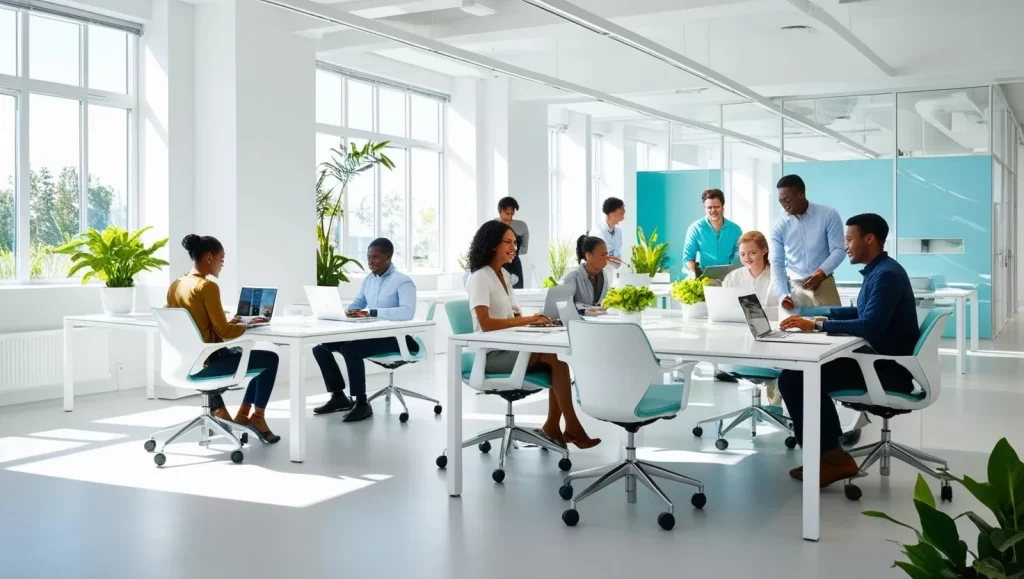
Maintaining a clean and disinfected office is essential for creating a healthy, productive, and professional workplace. Offices are shared environments where bacteria and viruses can spread quickly through daily interactions and high-touch surfaces. Implementing effective office cleaning and disinfection practices not only protects employee health but also enhances morale and leaves a positive impression on clients and visitors.
The Importance of Cleaning and Disinfection in Offices
Office cleaning plays a vital role in reducing workplace illnesses and absenteeism. While cleaning removes visible dirt and dust, disinfection targets harmful microorganisms that are not always visible. Both processes work together to create a hygienic environment. Neglecting either step can compromise workplace safety and increase the risk of infections spreading across teams.
Prioritising High-Touch Surfaces
High-touch surfaces are the most common points for germ transmission in office settings. These areas are used repeatedly throughout the day by multiple employees and visitors. Door handles, light switches, desks, keyboards, phones, and shared office equipment should be cleaned and disinfected frequently. Paying special attention to these surfaces significantly reduces the spread of bacteria and viruses.
Choosing the Right Cleaning Products
Using the correct cleaning and disinfecting products is essential for effective results. Commercial-grade disinfectants designed for office environments provide better protection than standard household cleaners. It is important to select products that are suitable for different surfaces to avoid damage while ensuring proper sanitation. Microfiber cloths are highly effective as they capture dust and bacteria more efficiently and help prevent cross-contamination when used correctly.
Establishing a Consistent Cleaning Schedule
A well-planned cleaning schedule ensures that all areas of the office receive regular attention. Daily tasks should include emptying bins, cleaning desks, disinfecting restrooms, and wiping shared surfaces. Weekly cleaning may involve mopping floors, sanitising office equipment, and dusting shelves and fixtures. Periodic deep cleaning should address carpets, upholstery, air vents, and less frequently accessed areas. Consistency is key to maintaining long-term cleanliness and hygiene.
Maintaining Hygiene in Restrooms and Break Areas
Restrooms and staff kitchens require extra care due to higher moisture levels and frequent use. These areas should be disinfected daily to prevent the buildup of bacteria and unpleasant odours. Toilets, sinks, taps, and dispensers must be thoroughly cleaned, while kitchen appliances, worktops, and dining tables should be sanitised regularly. Keeping these spaces clean encourages better hygiene habits among employees.
Encouraging Employee Desk Cleanliness
Office cleaning is most effective when employees take responsibility for their own workspaces. Encouraging staff to keep desks tidy and disinfect personal items such as keyboards, mice, and phones can greatly reduce germ spread. Providing disinfectant wipes and hand sanitiser makes it easier for employees to maintain cleanliness throughout the day. A clean workspace also improves focus and efficiency.
Proper Floor and Carpet Care
Floors and carpets trap dust, allergens, and bacteria that can affect indoor air quality. Hard floors should be swept and mopped regularly using suitable disinfectant solutions. Carpets require frequent vacuuming and occasional deep cleaning to remove embedded dirt and microorganisms. Proper floor maintenance not only improves hygiene but also enhances the overall appearance of the office.
Improving Indoor Air Quality
Clean air is an often-overlooked aspect of office hygiene. Poor ventilation can allow airborne contaminants to linger, increasing the risk of respiratory issues. Regularly cleaning air vents, replacing filters, and ensuring proper airflow helps improve indoor air quality. Where possible, natural ventilation can further support a healthier office environment.
Training Cleaning Staff on Best Practices
Whether cleaning is handled internally or by professionals, proper training is essential. Cleaning staff should understand correct product usage, safety procedures, and effective disinfection techniques. Training ensures consistency and reduces the risk of cross-contamination. Well-trained cleaners are better equipped to maintain high hygiene standards across all office areas.
Regularly Reviewing Cleaning Procedures
Office cleaning needs may change over time due to staff growth, seasonal health concerns, or layout changes. Regularly reviewing cleaning protocols helps ensure they remain effective. Gathering employee feedback and monitoring hygiene standards allows businesses to make necessary improvements and maintain a safe working environment year-round.
Final Thoughts
Effective office cleaning and disinfection are essential for protecting employee health, improving productivity, and maintaining a professional workplace image. By following structured cleaning routines, focusing on high-touch areas, and promoting shared responsibility, businesses can create a cleaner and safer environment. If you are looking for a reliable and professional office cleaning company, contact The Pristine Team Ltd in Birmingham for expert cleaning and disinfection services tailored to your business needs.